
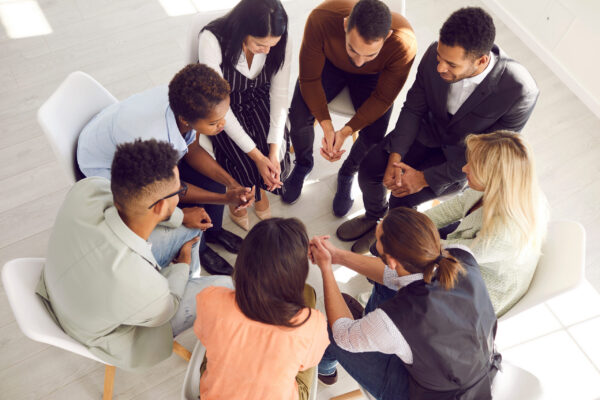
Healing deepens when clients feel connected. To themselves, to their peers, and especially to their families. Recovery is not a journey walked alone. That’s why family engagement is woven into everything we do.
Families as Partners in Recovery
When families are invited into the recovery process, clients experience greater stability, encouragement, and hope. Early on, we help families orient to the treatment journey, offering space to share history, explore dynamics, and learn how substance use, trauma, and chronic pain have impacted their lives. These conversations create pathways toward understanding, compassion, and healthier connection.
Education and Resources
Families are offered guidance and practical tools to strengthen recovery at home. This includes support in reshaping communication patterns, setting healthy boundaries, and recognizing how nervous system states influence connection and disconnection. Families are also introduced to community resources such as Al-Anon, Nar-Anon, SMART Recovery Family & Friends, CoDA, and Families Anonymous, networks that extend belonging and support well beyond treatment.
Shared Experiences
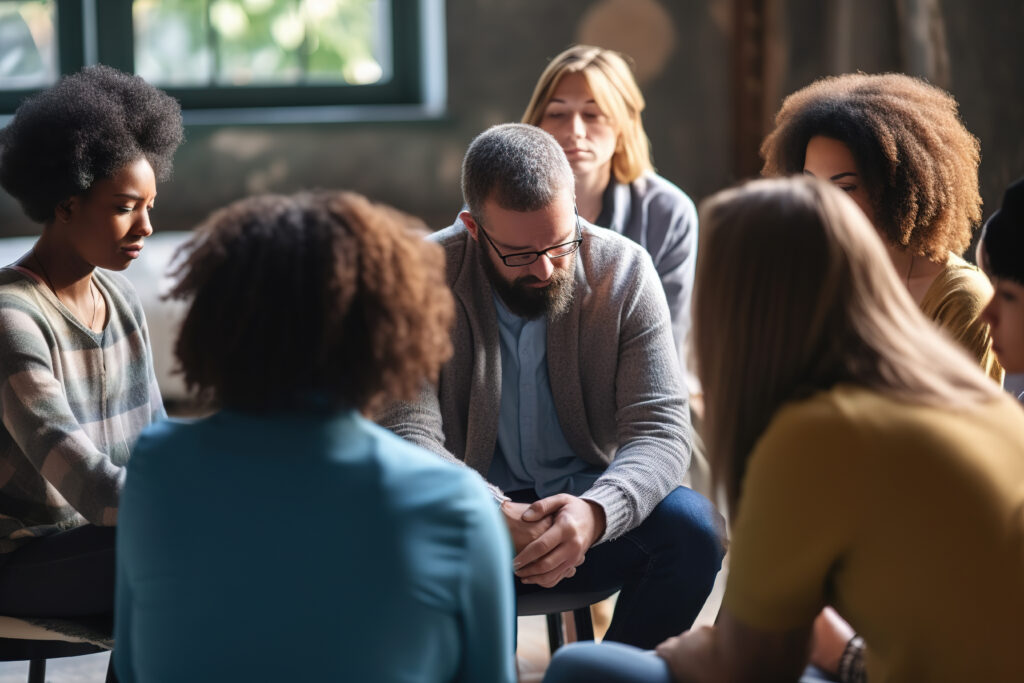
Group opportunities deepen the sense of belonging. Weekly psychoeducation sessions focus on family systems, while monthly multi-family groups, led by Dr. Mel Pohl and Dr. Les Aria, explore trauma, addiction, and pain in practical, polyvagal-informed ways. Families are encouraged to ask questions, share their experiences, and practice new skills together. In addition, there are regular opportunities for family or partner sessions where loved ones join the client and therapist to work on communication, address concerns, and strengthen connection in a more personal setting.
Why It Matters
Lasting recovery is rarely an individual effort. When families are engaged, clients are more resilient and supported in sustaining change.
We don’t just treat individuals, we strengthen the systems they are part of, creating opportunities for deeper healing and long-term connection.
